
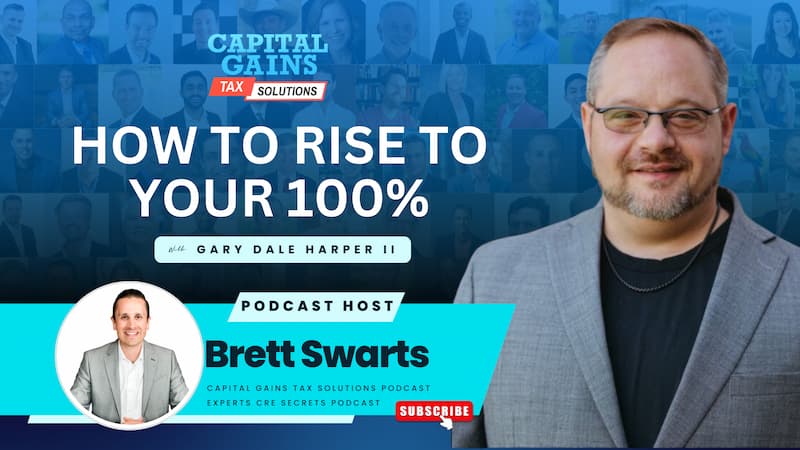
Gary Harper, CEO of Sharper Business Solutions, with a wealth of experience in consulting and management. With a background in Fortune 500 companies, Gary’s expertise lies in optimizing operating expenses and scaling businesses. An author of three books and a seasoned real estate investor since 2004, he has helped over 600 investors elevate their businesses using his business systems program. A Six Sigma Expert and certified partner of Predictive Index, Gary’s entrepreneurial journey includes owning and successfully exiting three companies.
Episode Highlights Here:
Brett
And let’s just talk about that. Because I think this is like, I think this is an epidemic, right, or pandemic, or everyone put it I mean, there’s, there’s probably a proper word for that, right? Where there are entrepreneurs that have huge visions that are growing, and that are going off the rails because they are talented, they are driven, they are passionate. They have that purpose. But, you know, I’ve heard a saying that momentum is a more powerful force than all the leadership strategy resources combined. And that momentum, although it’s ignited by vision, and it’s, it’s, it’s fueled by faith, it’s sustained by systems, right, sustained by systems. So Gary, what is the number one secret to sustaining momentum as it pertains to systems and operations,
Gary
its accountability, like its accountability of that momentum on a daily basis, whether it’s losing weight, and you have a system of losing weight, or it’s a business operating system, like the all that falls apart, when you have no accountability of that, right? Nothing’s nothing’s being measured on a regular basis. So I think accountability is by far the most critical thing when it comes to a business operating system, or any system that you’re trying to use to make sure that it’s being used the right way, and you’re a good steward of the system you were given.
Brett
Okay, so let’s dive into that. What’s the best way to implement accountability daily, with the systems and processes you’ve built, especially these new ones, right? You’re like, oh, you go to this conference, you see Gary, and Gary talks about what needs to have happened, right? And you get home and you get to the office, and you’re like, Okay, we’re going to do this thing. And maybe you get some momentum going, and then it sort of just tails off, and you’re back to the old way of doing things.
Gary
Well, I mean, I don’t know about you, but I struggle with any type of accountability when I don’t have an accountability partner. I think that’s why it’s important to have a coach, I think it’s why it’s important to have a mentor or somebody mastermind, something that you know, you have to go back and report that I’ve lost 125 pounds in the last year and a half, almost two years now. And I’ve hired seven different types of coaches. And the ones who have helped me the most was, you know, a company Aaron and, and Cole Taylor with the starting line. And their system that they have, I call it the body operating system, and it’s a high level of accountability. Like on a daily basis, I have to enter my macros into an app, right? On a weekly basis, I have to measure my performance on a quarterly basis. I got to see what I’m profiting from this area and what results I’m getting in regards to my body and my blood work. And then ultimately, is it achieving my purpose? Am I doing these things daily, that create weekly, create monthly that create annually, a purpose driven type mindset? So when we get the momentum going, right, we have to keep it going with accountability. So business operating systems are not different. You start with the purpose, right? Because purpose creates passion that creates motivation, then you gotta be like, alright, what are the profits I need to make to keep me motivated? And then what do I have to have performance wise to make the profits that hit my purpose? And then what processes do I have to do tactically every single day? Like, how many appointments or how many offers or whatever your tactical process steps are, that get you the performance that gets you the profits that drive to your purpose. And so I always tell people, if you want to stay motivated, right, create accountability around those four categories of KPIs. And when you have that motivation, keep it with measuring them daily, that measures and weekly that measures monthly that quarterly and then annually, hitting that purpose. So if you build down properly from purpose, and you measure up properly from process, you’ll hit purpose every day with every process that you complete.
Brett
Absolutely amazing. And I met you at the rod Cleef, multifamily boot camp here in Orlando, just about a month or so ago. And I was blown away, because I felt like you guys approached it differently. And this is part of why I want you to be here. By the way, you’re gonna learn more about Gary Dale Harper, the second you can go to sharper process.com sharper process.com. And this is the key that I heard there that not only do you share the idea and are obviously articulated very well. But the difference with you guys, as you are getting hands on with the businesses doing this and implementing it. So talk about the sharper process to help entrepreneurs implement and stick to this kind of thing.
Gary
Yeah, you know, going back to our curriculum, our curriculum is Rhys stands for resource inspiration, systems and engagement. And we talked about why we have to have those four quadrants, right. And so in order to get to your 100%, in order to reach your purpose in life, your business’s purpose in life, you’re going to have to go through quadrants, and you’re going to have to get there. And so Harvard Business Review talked about scaling to your 100% or business maturity. And it talks about the five phases of business. Well, the rise business curriculum talks about the bridge that gets you from one of those phases to the next and so we add them with the right resources in place. We also have the right inspiration, the right systems and then proper engagement. I find a lot of times people want to go the other way where they start with a product of passion. And then they go straight to engagement, and they start marketing and trying to get that going. And I’m not saying you shouldn’t, but they try to scale too fast, right. And so you’ve heard the statement, you grew too fast. And the truth is, that’s not a thing, right? Really Well, the thing is, it is like you can go wrong. And if you go from like a product, straight engagement, and then try to build the systems, and then try to create goals, and then try to get the right people, you’re doing it wrong. And what we want to do is get the product, make sure it’s viable, and then get it into resources, time, money, and people then inspire those resources, then get the systems around them. So you can let go, and then expand through marketing and sales, right. So that’s what we want, we go in one on one to be able to work with entrepreneurs, we have events right where we work with teams, one to many, but most of the time, we’ve spent time in people’s offices, evaluating their business around resource inspiration, systems and engagement. And we help them dial that in and ultimately make the right adjustments for them to create the right accountability to help them grow. So the way it kind of works for us is we come in first with a team, we do resource day first, which talks to time, money and people. So we’re bringing accountability charge, we’re building organizational charts, we’re building process ownership charts, we’re looking at the predictive index, we’re making sure people in the right seat, we have a nine box system of evaluation to tactically know that they are in the right seat versus this guessing game that a lot of operating systems do. Then we look at the finances, and we go alright, what do we have financially? Where are we at? What do we need? How many people do we need? What can we afford those people and we do what we call a business performance on that day. So a full day is about resources, time, money, people, and what time frame are we doing this in, their inspiration happens and systems days happen at the end of 90 days. But in between those 290 days, we have somebody that runs your weekly meeting for you that creates that accountability, right. And then we have somebody else who helps you document your processes, your core processes, so that when we come back from a strategic perspective, we know what to adjust. And so at the end of the 90 days, we’ve run 13 meetings now and we’ve probably documented five to seven core processes. You’ve got the right people, so you got people sitting in the right seats, or you’re making the adjustments to get them in the right seats. And you know, who’s accountable for what you know, who’s accountable for what processes during your business, then I come back with inspiration, right? We create core values, we create purpose, we create long term vision, short term vision, we’re driving the results of the company with that. The Bible says there is no vision of the people perishing. And so it’s important, but many businesses aren’t immune to having a vision. And so we have to have inspiration for that vision. And then systems right systems are important too, because now we have to let go and like how do I let go and not lose control. So that’s important. So now we’re creating those KPIs, we’re looking at the processes, and we’re pulling out the key process indicators, and the performance indicators. And then we pull out those financials and look at the profit indicators. And we make adjustments on our strategy based on profit indicators. And then we’re constantly checking in on that purpose that we created with inspiration. And so we’re also looking at meeting structure, how do we communicate properly, what is our daily meeting schedule look like was our weekly meetings, or we call them we call them or tactical meetings and organizational meetings on a weekly and and the strategic meetings on a monthly and quarterly and then our purpose, our culture meetings at least once a quarter where we’re driving the culture in the business. So we’re creating the right structure, right, we’re creating the right KPIs, we’re creating right meaning copulation. And then we’re going to document the processes a little bit more, we pull those core processes, you document it out, and we start to look at him with a nine box and we go, alright, nine, box wise, is this valuable? Is this process valuable to my customer? And is it essential for my business? Is it valuable, and is it essential, if it’s not valuable, and it’s not essential, then we want to get rid of it. Because we don’t want to document the procedures, if there’s waste in the process, we want to learn it. And so that’s the difference, right? So process is what you do procedures are how we do it policy is then when you do it, and then we drive productivity, we get rid of the waste and drive the productivity of the organization, we have ways in which we manage that. And so that’s what the first 90 days look like. And then we keep running your weekly meetings, and we come back every 90 days to create a new strategy for the next 90 days. And then once we’ve hit a point of almost dialed in the resources we’ve dialed in inspiration we battled in the systems then we’ve ETR it we’ve earned the right to expand we’ve earned the right to go to engagement which is where we start to come in we spent eight hours building the brand, the marketing, the advertising, channels, the sales, all those things, we’re looking at building all brand guides all that out and making sure that we have the right plan to expand and grow that business.
Watch the episode here:
Important Links:
About Gary Dale Harper II
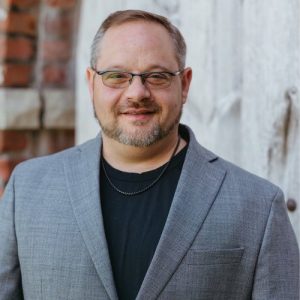
Experienced Owner with a demonstrated history of working in the consulting and management industry. Skilled in Nonprofit Organizations, Negotiation, Budgeting, Microsoft Word, and Sales. Strong entrepreneurship professional.
Gary Harper is the CEO of Sharper Business Solutions. Gary, an author of 3 books, spent 13 years as an executive in a Fortune 500 company where he handled the process of evaluating companies’ operating expenses and helped them to reach new levels of efficiencies.
He began investing in real estate in 2004 and has taken his expertise in business systems and process management and developed a program to help over 600 real estate investors position themselves to scale their business to new levels.
Gary is a Six Sigma Expert and is also a certified partner of Predictive Index. While owning 10 businesses, Gary has also successfully exited three companies.
- capitalgainstaxsolutions.com
- Capital Gains Tax Solutions Facebook
- Capital Gains Tax Solutions Twitter
- Capital Gains Tax Solutions Tiktok