
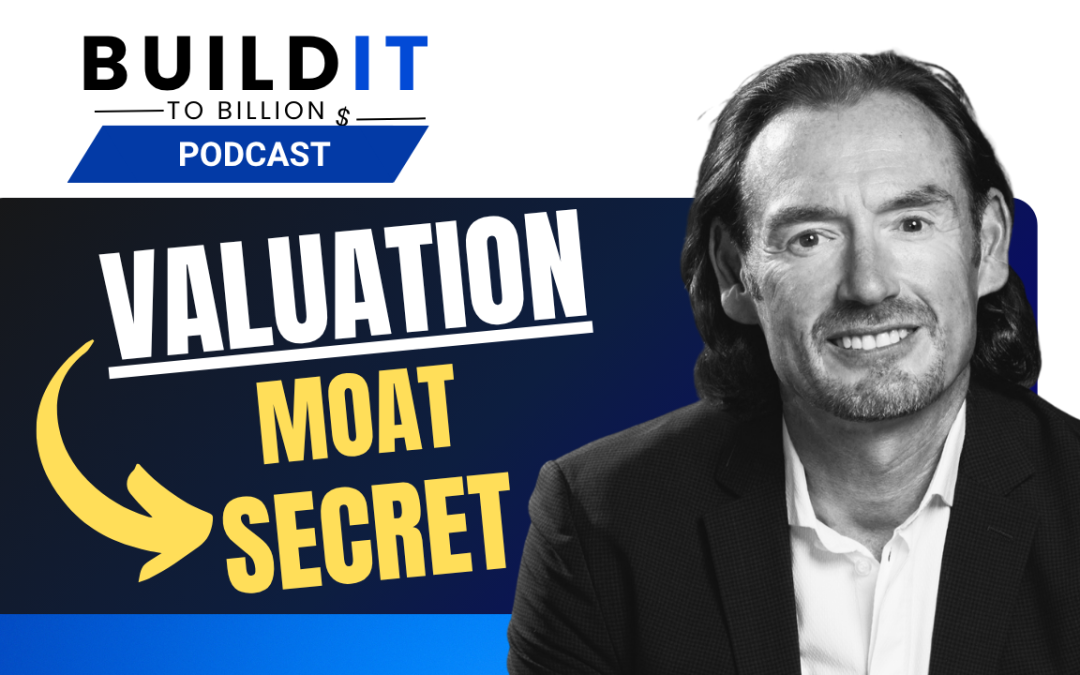
Episode Highlights Here:
Brett
Before we jump into this episode, I want to invite you to join our community to help you become a better steward, scale to billions, and ultimately give more or all of it away. All I want
you to do is to click the subscribe button right now. I love your support. It’s incredible to see your comments, and we’re just getting started. I can’t wait to go on this journey with you.
Thank you so much for subscribing. It means the world to me. Welcome to the Build It to Billions podcast, where we guide successful entrepreneurs and investors on their journey from millions to billions. We believe the key to scaling and compounding your wealth in life starts every single day with a mindset and practice of stewardship over ownership and applying billionaire biblical principles. Our ultimate goals have you scale and compound your wealth in life, so you give more of all of it away and help MVPs. My name is Brett Swarts. Each and every episode, we’re joined by the world’s top entrepreneurs, millionaires, or billionaires, and they share their secrets, wisdom, and insight with us, so we can all level up, make a bigger impact. I’m excited about our next guest. He’s a successful entrepreneur who scaled his last company to 200 plus employees across 12 countries, then executed a strategic exit to a $4 billion competitor using a disciplined, repeatable framework. That discipline was forged not only in the boardroom but through the elite endurance challenges, including 17 Ironman triathlons and high-altitude mountaineering expeditions, including Mount Everest. He’s a best-selling author of Built to Finish and a keynote and TEDx speaker, and host of the Built to Finish podcast. Today, he advises founders and CEOs on building companies intentionally designed not to just grow but to finish strong. Please welcome the show with me, Mr. Steven Pivnick. Stephen, how we doing?
Steven
Brett, great. Thanks. Thank you so much for having me on the show.
Brett
Absolutely. If our listeners get to know for the first time, maybe give us a little bit more about your story and your current focus.
Steven
Sure. So yeah, I basically like you mentioned. I built my last company to over 200employees. It was it was a software company, so IT focused. I won’t bore your audience to tears with what we did. It was super nerdy, but there was a great demand for its worldwide. So scaled it across the world, really 12 countries. We had we had most of the Fortune 5,000customers around the world were our customers, so we focused on targeting the biggest companies out there, and our number one competitor, which was a $4 billion software company, got sick and tired of losing to us. So, they ended up acquiring us after we hit a I think40 million dollars in sales was you know too much for them to compete with.
Brett
That’s incredible. And before we dive into like you know a one plus billion dollar you know founders exits, which now you help founders to exit well and to grow in all areas of life. And we’ll talk about an amazing trip, an opportunity for some investors to consider for Ecuador that’s coming up here. Before we dive into all that, I’m kind of curious, Stephen. Growing up, who who was he, right? Maybe what was the one or two superpowers or gifts you believe you were given, and how does that help? How you help and bless people today?
Steven
Yeah, I mean, I really, I come from an immigrant family. You know, we came over to this country when I was three years old. We immigrated from what is now the Ukraine. It was the Soviet Union back in 1972, which is when we left, and I think the biggest gift I got was from my father, and I just learned an incredible work ethic and learned how to deal with the grind. Right? You know, we came over with you know almost no money in our pockets, no place to live. They didn’t have a place to work. We I’m not sure they actually knew how they were going to survive, but it couldn’t be worse than what they were facing in the Soviet Union. So, they took the leap of faith, and I learned how to grind it out just by my watching my father and his work ethic.
Brett
What was the moment when your dad, or that it kind of sunk in? That like, oh wait, mom and dad are different because when you’re in it, you’re kind of like you’re just it’s just what you’re used to, and then you look around, you’re like, wait, not everyone has wants or is hungry as we are, as worked as hard as we are, was there like a moment that it kind of clicked in your in your teenage years or something?
Steven
Yeah, I mean, it really that’s exactly when it happened around the teenage years, where I noticed, you know, I went to an incredibly ritzy school because of an immigrant scholarship. Everybody else was super wealthy there. I was the poorest kid in school, and I noticed, you know, them taking incredibly long vacations, and their parents not working weekends, and them having a little bit more of you know leisure in their life, and we didn’t have that, so you know my parents had to you know work you know tooth and nail to put food on the table and to give us you know what we never wanted for anything, but we definitely didn’t have the luxuries that all of my peers in school did. So, I noticed a huge disparity there.
Brett
Awesome. Well, let’s with that in mind and that spirit of mind of hard work and and and how to deal with the ground. Let’s talk about you know the best you know wisdom or secrets that you’ve learned from founders who have exited. Right. I mean, you’ve been either helped or a part of yourself over a billion dollars plus worth of exit. So, wait, what’s like number one thing that you found if you want to have a successful exit?
Steven
Yeah, I mean, there’s so many that come to mind. At the top of the list would be, you know, first of all, corporate governance and being able. I call it ABC. People refer to ABC as always be closing deals. I refer to ABC as always be closing your books. Right. So there needs to be a very disciplined corporate. Governance process in place in order to close your books on the.
Brett
So, if you like this little, short clip of the interview I just did, click over here to watch the full interview, and please don’t forget to subscribe. Thanks so much, everybody.
Watch the episode here:
Important Links:
About Steven Pivnik
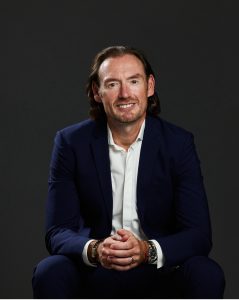
Steven Pivnik is an entrepreneur, business exit strategist, bestselling author, and keynote speaker dedicated to helping founders build companies that maximize enterprise value and achieve successful exits. He is the founder and former CEO of Binary Tree, a global enterprise software company that he grew over nearly three decades before leading its successful acquisition by a multibillion-dollar strategic buyer. Today, Steven advises entrepreneurs on creating scalable businesses, increasing valuation, and preparing for life before, during, and after a business sale.
Beyond the boardroom, Steven is an accomplished endurance athlete and adventurer whose experiences completing Ironman triathlons, ultramarathons, and climbing some of the world’s highest peaks have shaped his leadership philosophy. As the author of Built to Finish and host of the Built to Finish podcast, he inspires business owners to combine resilience, discipline, and long-term vision to build companies—and lives—that are designed for lasting success.
Love the show? Subscribe, rate, review, and share!
- capitalgainstaxsolutions.com
- Capital Gains Tax Solutions Facebook
- Capital Gains Tax Solutions Twitter
- Capital Gains Tax Solutions Tiktok