
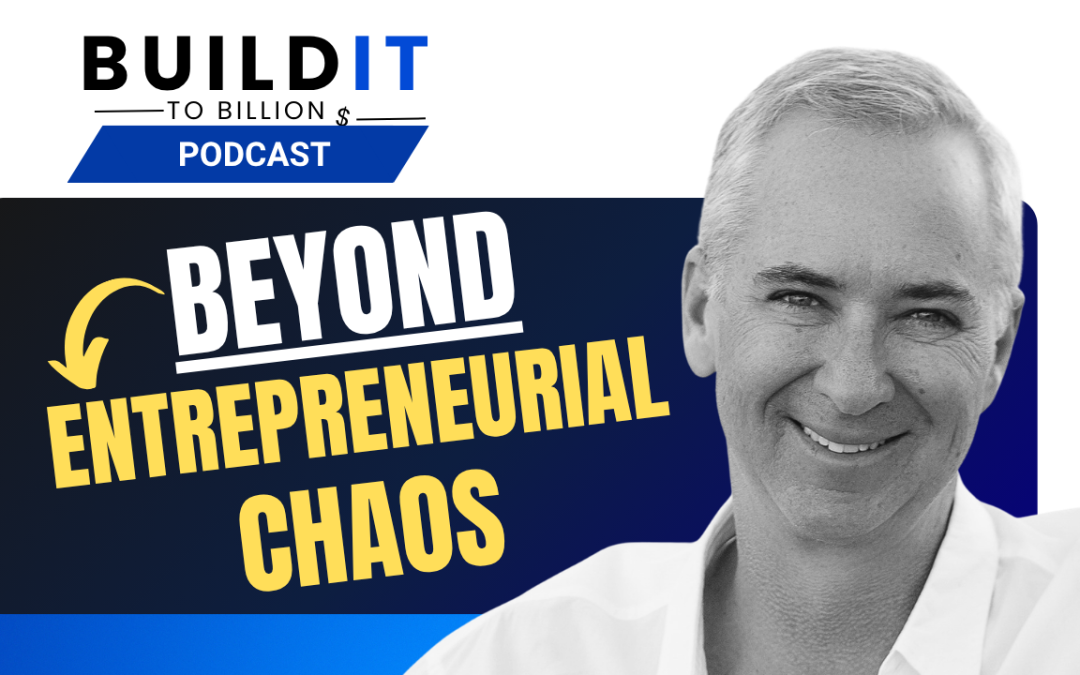
Episode Highlights Here:
Brett
Before we jump into this episode, I want to invite you to join our community to help you become a better steward, scale to billions, and ultimately give more or all of it away. All I want
you to do is to click the subscribe button right now. I love your support. It’s incredible to see your comments, and we’re just getting started. I can’t wait to go on this journey with you.
Thank you so much for subscribing; it means the world to me. Welcome to the Billy Billionspodcast, where we guide successful entrepreneurs and investors on their journey from millions to billions. We believe the key to scaling and compounding your wealth in life starts every single day with the mindset and practice of stewardship over ownership and applying billionaire biblical principles. Our ultimate goals help you scale and compound your wealth and life, so you can give more all the way to help MVPs. My name is Brett Swartz. Each and every episode, we’re joined by the world’s top entrepreneurs, millionaires, or billionaires, where they share their secrets and insights with us, so we can all level up and make a bigger impact. We’re also we’re also streaming and recording this on the Capital Gains Tax Solutions podcast and YouTube channel for those who are founders looking to exit, you want to make sure you tune in here, as we’re going to be talking about exit planning as well during this conversation. Hey, I’m excited about our next guest. Our great guest is in Arizona today, and he helped 1-800 Junk scale from about 2 million to over 100 million in annual revenues, and he’s globally recognized as an entrepreneur, business growth expert, and founder of CEO Alliance and the world’s leading peer network of chief operating officers and second-in-command executives, he’s often called the CEO Whisperer, and he’s best known for helping entrepreneurs and leadership teams build scalable organizations through stronger leadership accountability and operational excellence, and so much more. Please welcome the show with me, Cameron Herold. Cameron, how are you doing?
Cameron
Hey, Brett. Nice to see you. Thanks for having me on.
Brett
Absolutely. For our listeners to get to know you for the first time, maybe give us a little bit more about your story and your current focus.
Cameron
Sure. I was groomed as an entrepreneur. My dad ran his own company, and then both sets of grandparents were entrepreneurs as well. And they raised my brother, my sister, and myself to all run our own businesses, which is pretty much all we’ve done for the last 30 years. I had my first real company when I was 20 years old. I had 12 full-time employees, built up a house painting business as part of a franchising group called College Pro Painters. I ended up opening the West Coast of the United States for them back in the early 90s. Coached 120 of their franchisees over about four years. One of them was Elon Musk’s younger brother Kimbal Musk, and then one was his cousin Peter Reeve, who went on to build Solar City. So, I was influencing those guys 30 years ago. Left there, and I was a partner in a chain of auto body shops, which is now known as Gerber Auto Collision in the United States. It’s called Boyd Auto Body in Canada. We built that up from seven locations to 65. Took that company public, and I exited. Now there are a few 100 locations North America wide. Then I became the president of a private currency company, which we built and sold. Took that company public. Then I joined my best friend Brian to build out what was called the Rubbish Boys at the time. He was changing the name over to 1-800 Got Junk, and we took 1-800 got junk from basically 14 employees to 3,100employees from seven cities to 334 countries, and went to 106 million in revenue. I left there19 years ago now, which is crazy, and I’ve written seven business books. I’ve been paid to speak to entrepreneurial audiences in 30 countries, and I’ve coached hundreds of real companies, typically in the 50 to $500 million range. But I coached the CEO and the second in command of Sprint. I coached a monarchy, the royal family that owns the country of Qatar. And then now, 10 years ago, I started an organization called the COO Alliance. So, I have a large network of second in commands. There were so many entrepreneurial groups, but there was nowhere serving that second-in-command group. And then I also have an online course called “Invest in Your Leaders, which is the core leadership skills that I’ve trained all the management teams and leadership teams for the last 30 years in stuff that AI can’t do.
Brett
Speaking of AI, and you said something you were grooming to be an entrepreneur growing up, and I wonder what that looked like in your era, and then how do you see the current what’s called the new AI era, and parents that want to do the same thing, Cameron. What would you say?
Cameron
I tell most of the parents out there, you’re doing a real disservice to try to get your kid to become an entrepreneur. That what you want to do is get them to be entrepreneurial. There’s a difference between someone who’s really good at something and doing that thing for seven different companies. Like, let’s say you’re a really good marketer and you have seven
companies that you do marketing for, you’re entrepreneurial. Now, when you start hiring lots of people and building out lots of teams and you know expanding and growing a bit, then you’re really running a business. That’s being more of an entrepreneur. Only 3% of the population have the DNA and the skill set, and there’s actually data points to support both. There’s only3% of the population have the skills and the DNA to truly be an entrepreneur. And then the second part is when social media, you know, prior to. Kind of 2000, the entrepreneur was never a popular thing. We were the greedy capitalist kind of weird kid that were socially ostracized and often ostracized within our families. But with the rise of the.com era, they became trendy. And then when social
Brett
so, if you like this little, short clip of the interview I just did, click over here to watch the full interview, and please don’t forget to subscribe. Thanks so much, everybody.
Watch the episode here:
Important Links:
About Cameron Herold
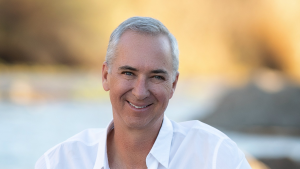
Cameron Herold is a globally recognized business growth expert, entrepreneur, bestselling author, and founder of COO Alliance, a peer network and leadership-development community created specifically for second-in-command executives. He is best known for his role as COO of 1-800-GOT-JUNK?, where he helped scale the company from approximately $2 million to more than $100 million in annual revenue. His experience building high-performing teams and scalable organizations has made him a sought-after speaker, coach, and advisor to entrepreneurs and executives around the world.
Cameron is also the author of several influential business books, including The Second in Command, Vivid Vision, Double Double, and Meetings Suck. His work focuses on helping entrepreneurs build stronger CEO/COO partnerships, develop exceptional leaders, create aligned company cultures, and scale businesses without becoming trapped in day-to-day operations. Through COO Alliance and his leadership work, Cameron continues to help executives build companies that can grow beyond the founder and achieve their long-term vision.
Love the show? Subscribe, rate, review, and share!
- capitalgainstaxsolutions.com
- Capital Gains Tax Solutions Facebook
- Capital Gains Tax Solutions Twitter
- Capital Gains Tax Solutions Tiktok