
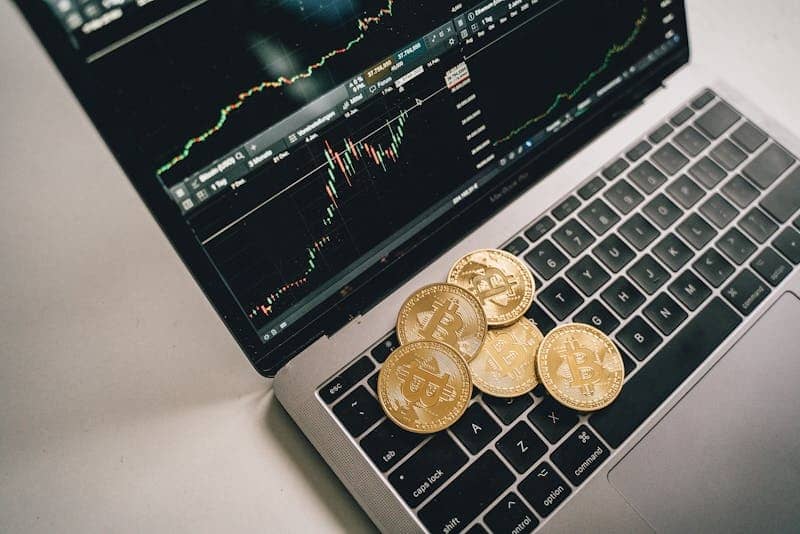
It is no secret that cryptocurrency offers the potential for huge gains for savvy investors. However, those gains can be substantially reduced when you sell and pay capital gains taxes. The government treats cryptocurrency as property and taxes it like any other appreciated asset. That means you could be losing a third of your gains to taxes.
Federal Capital Gains Tax Rates
The Federal government charges different rates depending on how long you have held your crypto. For assets held less than a year, the gains are added to your taxable income and are taxed at the appropriate rate for your tax bracket. That means they can go as high as 37%.
Assets held for over a year are subject to the long-term capital gains tax rates. Those rates range from 0% to 20% depending on your income bracket (with the top bracket at $518,900 for single filers in 2024).
Any US citizen is subject to the federal capital gains tax, no matter where they live. You may not realize that states can also levy capital gains taxes, so your overall tax burden can vary significantly depending on where you live.
State Capital Gains Taxes
The majority of US States tax capital gains. The rates range from 2.9% to 13.3%, and they vary significantly between states.
States Most Friendly to Cryptocurrency
The following states do not have a capital gains tax, which makes them more friendly to crypto investors:
- Alaska
- Florida
- New Hampshire
- Nevada
- South Dakota
- Tennessee
- Texas
- Wyoming
While some of the following states tax capital gains, their rates are low, and they have implemented other policies to encourage crypto investors:
Arizona
Arizona is the first state to make airdrops exempt from state taxes. Their income tax rate is only 2.5%.
Colorado
Colorado recently implemented a program to allow taxpayers to use cryptocurrency to pay their state taxes. Their tax rate is relatively low, with a flat rate of 4.4%.
Kentucky
Kentucky recently introduced legislation giving clean-energy tax breaks to crypto miners who invest more than $1 million in mining equipment.
Texas
In addition to having no personal income tax, Texas has a low corporate tax rate and cheap electricity, which makes it especially appealing to crypto miners. It has also implemented other tax benefits for bitcoin miners who want to relocate their businesses to Texas.
States Least Friendly to Crypto
States least friendly to cryptocurrency investors tend to be those with the highest taxes on capital gains. The following states have the highest tax rates in the nation:
- California–California taxes capital gains as income, with the highest tax bracket paying 13.3%.
- New Jersey– New Jersey treats capital gains as income, with rates going as high as 10.75%
- Oregon–Oregon taxes capital gains as income with the highest rate reaching 9.9%.
- Minnesota–The highest income tax bracket in Minnesota is 9.85%, and capital gains are added to taxable income.
- Vermont–Vermont has a separate tax rate for short-term vs. long-term capital gains (with long-term meaning assets held for over three years). The highest rate for capital gains in Vermont is 8.75%, but you can deduct up to $350,000 of gains.
Where You Live Matters
Let’s use an example from California to demonstrate the impact of high state tax rates.
Let’s say a married couple is selling their highly appreciated Ethereum. They invested $1 million and are selling for $20 million. They have taxable capital gains of $19 million. They will owe 20% in federal capital gains taxes and 3.8% for Medicare or Net Investment Income Tax.
Because this couple lives in California, they would owe $7.049 million in taxes, with only $11.951 million left to reinvest. In a state like Texas, they would owe $4.522 million in federal taxes, meaning they have $15.478 million left over to reinvest. That is a $3.5 million difference.
Puerto Rico
Puerto Rico has been an attractive location for high-income individuals looking to avoid capital gains taxes on cryptocurrency. It is an unincorporated US territory, meaning that you don’t have to have a visa or even a passport to travel there. Residents of Puerto Rico do not have to pay any capital gains taxes, meaning that the tax benefits of living there can be significant. However, because of the giant tax breaks available, the IRS closely scrutinizes individuals and businesses claiming residency. You have to prove that you legitimately live and work in Puerto Rico and have close connections in society.
A Better Way
It is possible to defer capital gains taxes and reinvest the entirety of your profits without moving states or relocating to Puerto Rico. By using a Deferred Sales Trust, crypto investors can defer both federal and state capital gains taxes. This tax strategy allows investors, no matter where they live, to reinvest their crypto gains while delaying capital gains until they take possession of the profits.
The Difference a DST Makes
Let’s take the same married couple with $19 million in appreciated Ethereum. This time, they choose to utilize a Deferred Sales Trust instead of just selling their crypto. They can reinvest some or all of their gains. As determined by the installment contract, they will not pay any taxes until they receive proceeds from the trust.
If the couple chooses to invest all of their gains, they can delay their capital gains taxes and only pay taxes on the interest they receive. That gives them an extra $7.049 million to invest, and they didn’t even have to move out of California.
If you own highly appreciated cryptocurrency and are wondering how to sell your Bitcoin without paying taxes, you might want to consider a Deferred Sales Trust.